
Heat transfer works by moving thermal energy from a warmer region to a cooler one. The movement occurs through three mechanisms: conduction, convection, and radiation. In commercial heating, ventilation, air conditioning, and refrigeration (HVAC/R), these mechanisms often work together to move heat between air, refrigerant, water, and equipment surfaces.
Understanding how heat transfer works is important when specifying cooling coils, heat exchangers, fluid coolers, and other thermal equipment. Each application has different temperatures, flow requirements, and space constraints. The underlying principles are the same, but applying them effectively requires looking at the complete system rather than any single component.
What Is Heat Transfer and Why Does It Occur?
Heat transfer is the movement of energy caused by a temperature difference. Temperature indicates the thermal state of a substance, while heat describes energy crossing a boundary because two regions are at different temperatures. A hotter surface will naturally transfer energy toward cooler surroundings when a path exists.
This movement follows the laws of thermodynamics. Energy is conserved, meaning it cannot simply disappear, and spontaneous heat flow proceeds from higher to lower temperatures. Without continued heating, cooling, or other external influences, interacting regions tend toward thermal equilibrium, where no net heat transfer occurs between them.
Refrigeration equipment demonstrates an important distinction. Although heat naturally flows from warm to cool, a refrigeration system uses compressor work to move energy from a cooler space to warmer outdoor air. The system does not destroy heat; it absorbs energy in one location and rejects it elsewhere, along with the energy supplied to operate the compressor.
What Are the Three Types of Heat Transfer?
The three types of heat transfer describe different ways thermal energy travels:
- Conduction: Energy moves through matter by interactions between particles, including through metal tubes and fins.
- Convection: Heat transfers between a surface and a moving fluid, such as air or water.
- Radiation: Energy travels through electromagnetic waves without requiring direct contact or a physical medium.
Consider a commercial cooling coil. Heat moves from warm air to the coil surface through convection, passes through metal surfaces by conduction, and enters a cooler fluid through convection again. Radiation may also occur, although its contribution is generally smaller in this arrangement.
These heat transfer methods are not competing alternatives. They often act simultaneously, and their relative importance depends on the equipment, materials, temperatures, and surrounding environment. Recognizing each mechanism helps explain why different heat exchanger designs suit different applications. In practice, the dominant mechanism can change as equipment starts, loads shift, or ambient conditions vary, which is why designers evaluate more than one operating point during equipment selection.
How Does Conduction Transfer Heat Through Materials?
Conduction transfers thermal energy through interactions between neighboring particles. In metals, mobile electrons also contribute significantly to this process. Energy can move through solids, liquids, and gases by conduction, although the rate varies considerably among materials.
Thermal conductivity describes how readily a material conducts heat. Copper and aluminum are widely used in heat transfer equipment because they conduct energy effectively. Insulating materials, by contrast, resist heat movement and help limit unwanted losses or gains.
In a finned HVAC coil, heat passes through the tube wall and spreads along the attached fins. The fins extend the surface available for exchanging energy with moving air. Material thickness and the temperature difference across a surface also influence how quickly conduction occurs.
High conductivity alone does not guarantee an effective coil. Contact between components, construction quality, fluid conditions, and available surface area all matter. For OEM equipment, materials must also meet durability, compatibility, and manufacturing requirements, not simply transfer heat as quickly as possible.
How Does Convection Transfer Heat Through Air and Liquids?
Convection involves heat exchange between a surface and a moving fluid, such as air or water. The fluid carries energy as it moves, allowing fresh warmer or cooler fluid to contact the surface. This process is central to the operation of many commercial heat exchangers.
Convection occurs through two primary mechanisms:
- Natural convection: Temperature differences create density changes that cause fluid to move through buoyancy.
- Forced convection: Fans, pumps, or other mechanical equipment move fluid across heat transfer surfaces.
Commercial HVAC/R systems frequently rely on forced convection because airflow and liquid flow must meet specific performance requirements. For example, a fan moves warm air across a chilled water coil. Energy transfers from the air to the colder coil surface, then into the circulating water. In a fluid cooler, fans help remove energy from a warm process fluid through a coil exposed to outdoor air.
Fluid speed, distribution, and temperature differences affect the exchange. Increasing flow can improve heat transfer under some conditions, but it may also raise pumping or fan energy requirements. Effective equipment selection accounts for both thermal capacity and the cost of moving the fluid.
How Does Radiation Transfer Thermal Energy?
Radiation transfers energy through electromagnetic waves and does not require direct contact or a surrounding fluid. Every object above absolute zero emits thermal radiation, while surfaces also absorb radiation from their surroundings. The net exchange depends on surface temperatures and properties.
Sunlight warming a building is a familiar example. Radiant heating systems likewise transfer energy to nearby surfaces and occupants. Surface emissivity influences how effectively materials emit and absorb thermal radiation, making finishes and surface conditions relevant in some applications.
Radiation matters in building loads and certain industrial processes, but conventional fin-and-tube HVAC coils primarily rely on conduction and convection. Their tubes and fins exchange energy with moving air and internal fluids. For these applications, airflow and fluid-side conditions generally have a greater influence on equipment performance than radiant exchange.
What Factors Affect the Rate of Heat Transfer?
The rate of heat transfer depends on the temperature difference driving the process and the resistance encountered along the path. A larger difference can increase heat flow when other conditions remain comparable. However, it does not automatically mean the entire cooling system operates more efficiently.
Several factors are especially important in commercial equipment:
- Surface area: More effective contact area can increase the amount of energy exchanged.
- Material properties: Thermal conductivity affects how readily heat crosses tubes, fins, and other barriers.
- Fluid movement: Airflow and liquid flow influence convection and the temperatures experienced across a surface.
- Thermal resistance: Tube walls, surface films, and deposits can impede heat movement.
- Fouling: Dirt, scale, and debris may restrict airflow or add resistance to heat transfer.
Engineers evaluate these factors together rather than maximizing each independently. For instance, adding surface area may increase equipment size, while greater fluid velocity can increase pressure drop. The appropriate balance depends on required capacity, energy consumption, installation space, and the conditions expected during operation.
How Does Heat Transfer Work in Heat Exchangers?
Heat exchangers allow thermal energy to move between fluids at different temperatures, usually without mixing those fluids. A separating wall provides a controlled path for heat while maintaining distinct air, water, refrigerant, or process fluid circuits.
In a typical fin-and-tube coil, a warm fluid releases heat to the inner tube surface through convection. Energy travels through the metal by conduction and passes from the outer surface to a cooler fluid through convection. The direction reverses when the temperatures on either side reverse.
Different arrangements support different applications:
- Air-to-liquid heat exchangers: Transfer energy between air and circulating water or another liquid.
- Liquid-to-liquid heat exchangers: Move energy between separate fluid loops without mixing them.
- Refrigerant coils: Exchange heat with air or another fluid, often using refrigerant phase changes to absorb or reject substantial amounts of energy.
The appropriate configuration depends on the fluids involved, required capacity, allowable pressure drop, and how the exchanger fits within the larger system. Fluid compatibility, operating pressure, and maintenance access can also influence equipment selection.
How Does Heat Transfer Work in HVAC and Refrigeration Systems?
Heat transfer in HVAC systems allows equipment to heat, cool, and sometimes dehumidify air. A hot water coil transfers energy from circulating water to supply air. A chilled water coil does the opposite, removing energy from warmer air and carrying it away in the water circuit.
Refrigeration systems use refrigerant to transport energy between locations. An evaporator absorbs heat as refrigerant changes from liquid toward vapor, while a condenser rejects heat as vapor changes back toward liquid. The compressor and expansion device maintain the pressure conditions needed for that cycle.
These applications also illustrate sensible and latent heat transfer. Sensible heat changes temperature without changing the substance’s phase. Latent heat is absorbed or released during a phase change, such as refrigerant evaporation or condensation.
When a cooling coil lowers humid air below its dew point, moisture can condense on the surface. The coil then handles both sensible cooling and latent heat associated with moisture removal. This distinction matters when specifying equipment for air handling, refrigerated storage, and spaces with demanding humidity requirements.
For supermarket refrigeration manufacturers, maintaining product temperatures depends on reliable heat absorption and rejection. Commercial HVAC OEMs must likewise account for air temperatures, humidity loads, and fluid conditions when integrating coils into equipment. Understanding the heat transfer process helps connect those requirements to actual coil performance.
How Is Heat Transfer Used in Data Center Cooling Systems?
Data centers generate substantial heat as servers and supporting electronics operate. Cooling systems must remove that energy consistently to maintain suitable equipment temperatures, particularly where high-density computing creates concentrated thermal loads.
Air-based cooling uses moving air to collect heat from equipment and deliver it to cooling coils or other heat exchangers. The coils transfer that energy into chilled water, refrigerant, or another cooling medium. Airflow management remains important because poorly distributed air can leave localized hot spots even when total cooling capacity appears sufficient.
Liquid cooling takes a different approach by circulating coolant closer to heat-generating components. The liquid absorbs energy and transports it toward equipment that can reject or redistribute the load. Because liquids can carry substantial heat in compact flow paths, these systems can support demanding equipment configurations.
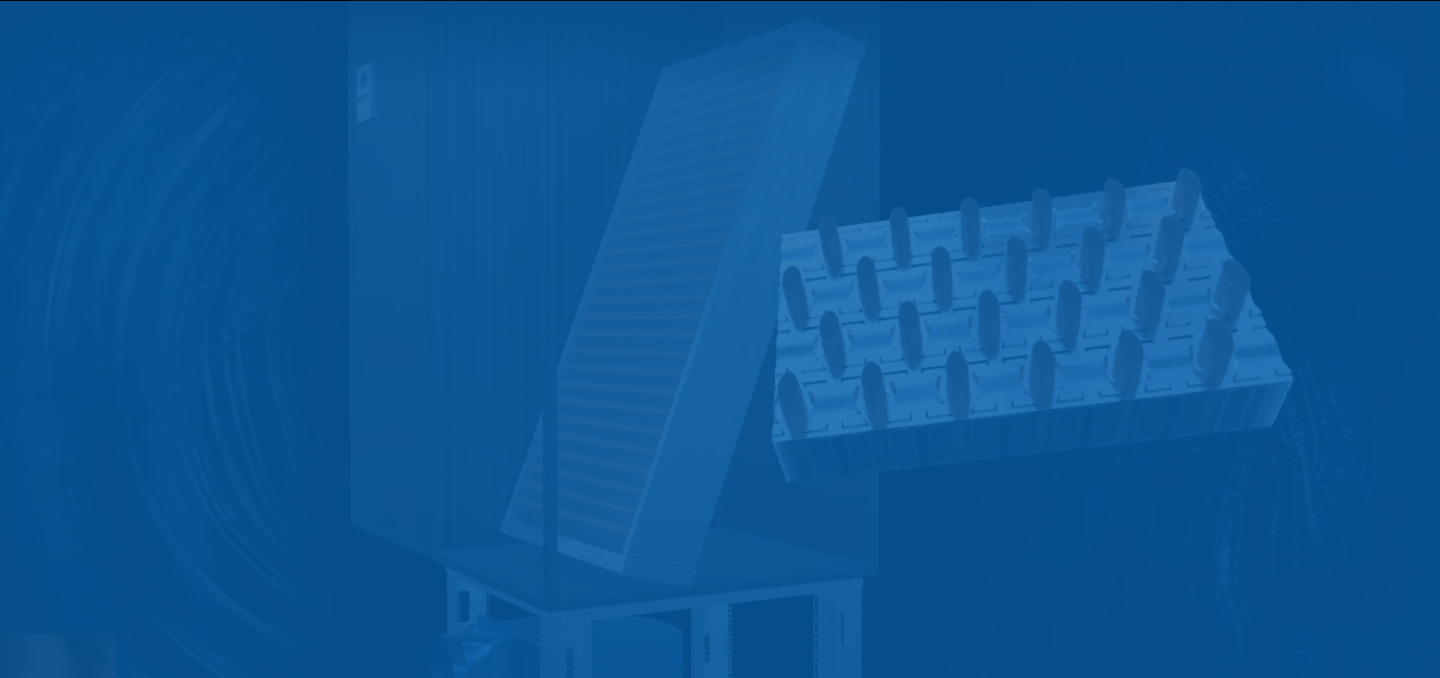
Coolant distribution units, or CDUs, commonly use liquid-to-liquid heat exchangers to transfer energy between a technology cooling loop and a facility water loop while keeping the fluids separated. Pumps, controls, and monitoring equipment help maintain suitable flow, temperature, and pressure conditions.
For data center OEMs, effective thermal management depends on matching heat exchanger performance to the cooling architecture. Reliability, service access, fluid compatibility, and system integration matter alongside rated capacity. These considerations become increasingly important as facilities adopt a mix of air-based and liquid-based cooling strategies.
Why Is Heat Transfer Engineering Important for HVAC/R Equipment?
The same heat transfer principles apply across industries, but equipment requirements vary. A packaged HVAC unit, supermarket refrigeration system, and industrial fluid cooler may each have different temperature ranges, fluid properties, operating schedules, and installation constraints.
Heat exchanger engineering translates those requirements into practical equipment specifications. Key considerations include:
- Thermal capacity: The amount of heating or cooling required under expected operating conditions.
- Airflow and fluid flow: The movement needed to achieve the specified heat exchange.
- Pressure drop: Resistance that affects fan and pump requirements.
- Equipment dimensions: Available space, connection locations, and installation clearances.
- Operating environment: Material compatibility, exposure conditions, and maintenance requirements.
For custom OEM equipment, coil geometry must work with the surrounding cabinet, fans, piping, and controls. Different tube configurations and fin arrangements may offer advantages depending on available space, airflow resistance, and required capacity. Suitability should be assessed against actual operating conditions rather than assumed from geometry alone.
A successful design is not simply the exchanger with the highest possible heat transfer rate. It is one that delivers the required capacity reliably while fitting the system’s operating and manufacturing constraints. This application-focused approach helps avoid mismatches that can affect performance after installation.
Find the Right Heat Transfer Solution for Your Application
Understanding how heat transfer works provides a foundation for specifying equipment that moves energy where it needs to go. Conduction, convection, and radiation explain the physics, while system temperatures, fluid conditions, and equipment design determine how those principles perform in practice.
Whether you’re developing an HVAC unit, specifying a fluid cooler, or evaluating a data center cooling application, our team can help assess the heat transfer requirements involved. Share your performance targets, specifications, or drawings, and contact our engineering team to discuss a solution that fits your equipment.