
Coil Coating Basics
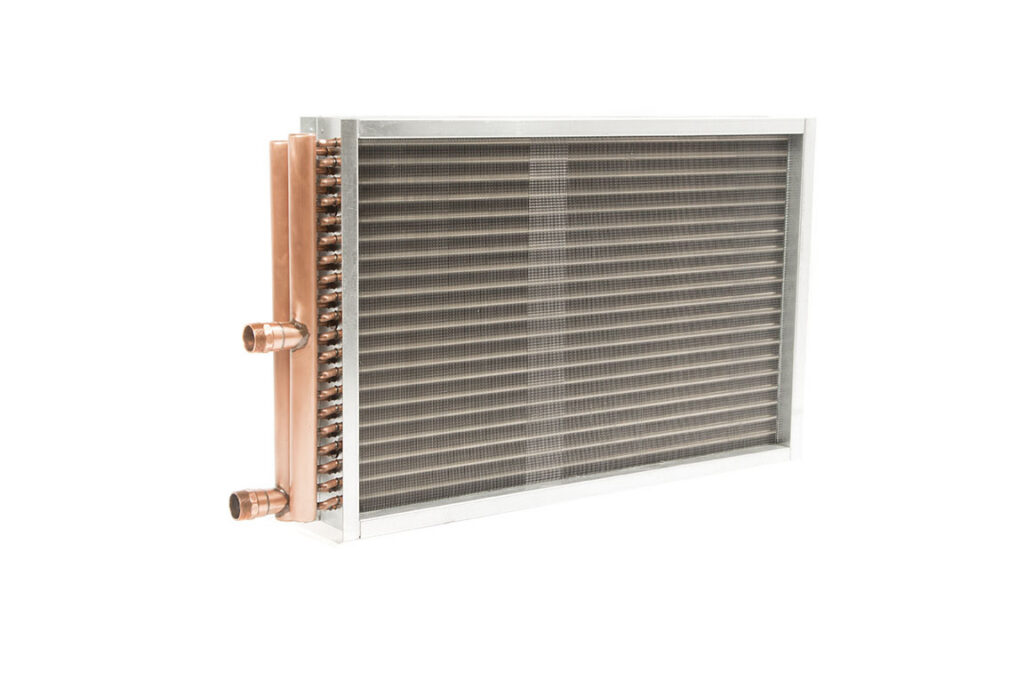
Coil coating is a thin protective finish applied to HVAC and refrigeration heat-transfer surfaces, shielding the metal from corrosion, fouling, and moisture-related damage. In practical terms, it gives exposed coil surfaces another layer of defense in places where bare aluminum or copper can break down quickly.
For many, the real question behind coil protection is what causes coils to go bad to begin with. In HVAC systems, the answer usually comes back to corrosion, contaminants, standing moisture, and neglected cleaning, especially on exposed condenser coils.
Why Coils Need Protection
Bare coils work well in clean, controlled conditions, but in reality, most installations are not clean or controlled for very long. Coastal salt, industrial chemicals, urban pollutants, and constant moisture can all attack the metal surface. And once corrosion starts, heat transfer drops, airflow suffers, and leaks become more likely.
High humidity exacerbates the problem as moisture can stay on the coil longer, especially in equipment that runs dehumidification cycles or sits idle between calls. In short, coatings are crucial because they slow the chain of events that turns exposure into performance loss and early failure.
Common Coil Coating Types
Several types of coating are seen across HVAC and refrigeration equipment, with each serving different site conditions. Phenolic coatings are often chosen where harsh chemicals, salt air, or washdown conditions create a more aggressive environment; they’re common in coastal or industrial settings where corrosion risk is high. Epoxy coatings are also widely used for corrosion resistance, often specified for commercial equipment exposed to moisture, pollutants, or moderate chemical attack.
E-coating, sometimes called electrocoating, uses an electrically deposited polymer finish that covers complex coil geometry more uniformly than many spray-applied options. Manufacturers often point to e-coating for natatoriums, coastal projects, and other corrosive installations because it combines thin film coverage with strong salt-spray performance. Ultimately, the right choice depends on the exposure level, cleaning method, and application, not just the lowest price tag.
Performance Benefits of Coil Coating
A good coating can lengthen service life by slowing oxidation and reducing direct metal exposure to corrosive air and moisture. That helps the coil hold its thermal performance longer, which is integral to capacity, efficiency, and system reliability. Coated surfaces can also be easier to clean because dirt and residue are less likely to bond as aggressively to the underlying metal.
Over time, that can reduce maintenance labor, lower the chance of premature replacement, and support steadier operation in corrosive conditions. Some manufacturers also cite strong salt-spray test performance for coated coils, which helps compare options for tougher sites. When reviewing coils, coating is often a practical risk-management decision, especially when the equipment will operate in environments known to shorten coil life.
When to Specify Coil Coating
Coil coating deserves serious consideration when equipment will run in coastal areas, in high-humidity regions, or at facilities known to contain airborne chemicals, cleaning agents, or industrial contaminants. It also makes sense for dehumidification applications, where coils spend more time wet and therefore have more opportunity for corrosion to develop.
Natatoriums, food processing plants, wastewater-related sites, and marine environments are all common examples of where coated coils pay off faster. Even in standard commercial settings, a protective finish can be worth it when maintenance access is difficult or when downtime carries a high cost. The goal is straightforward: match the level of protection to the true environment so the coil has a better chance of delivering stable performance over a longer service life.
A Smarter Way to Protect Coil Performance
Coil coatings aren’t a cosmetic add-on; they’re a practical way to protect HVAC and refrigeration coils from corrosion, fouling, and moisture-related wear in the most demanding environments. When the site conditions call for it, the right coating can support longer life, easier cleaning, and lower maintenance pressure.
If you’re exploring coated coils, Coilmaster can help you review your application and choose the right fit.