
Coil Coating Basics
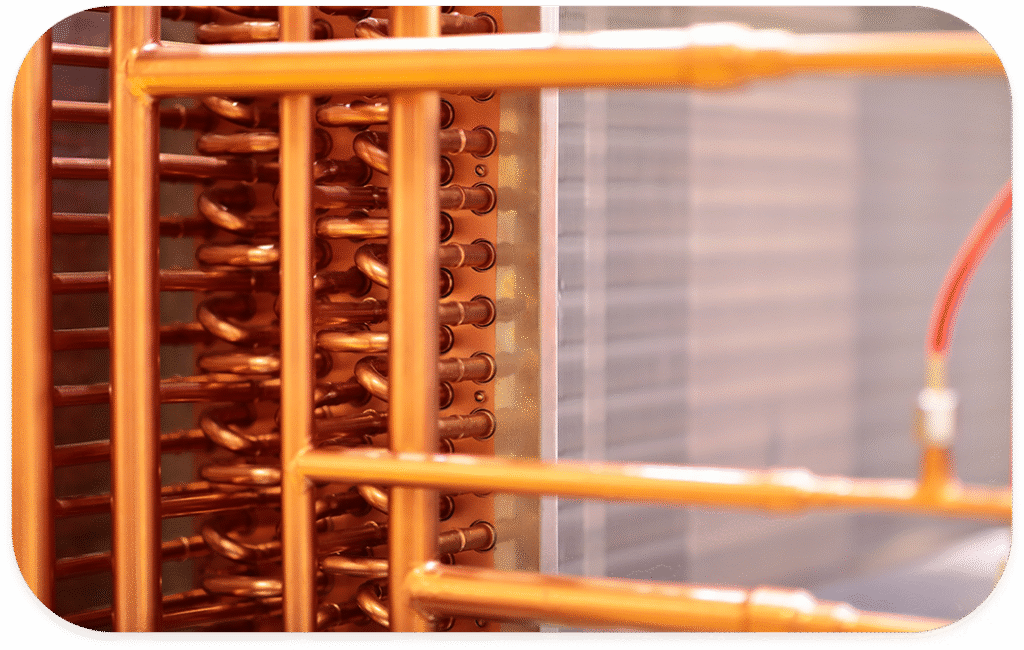
Coil coating is a protective finish applied to heat transfer coils to improve durability and extend service life. In HVAC and industrial applications, coils are exposed to moisture, airborne contaminants, and harsh environmental conditions that can lead to corrosion over time. A properly applied coil coating helps protect the coil surface while maintaining thermal performance.
The coil coating process applies a uniform protective layer that acts as a barrier between the coil and the surrounding environment. Coilmaster provides coil coating solutions designed to preserve coil integrity without restricting airflow or reducing capacity, supporting consistent performance across a wide range of applications.
Why Coils Need Protection
Heat transfer coils often operate in environments where exposure to moisture, chemicals, and airborne contaminants can lead to corrosion and performance loss. Without coil coating, these conditions can cause gradual surface degradation that reduces heat transfer efficiency and increases maintenance requirements.
High humidity, salt air, and industrial pollutants all contribute to oxidation and material breakdown. Moisture can collect on coil surfaces and accelerate corrosion, especially in systems that experience frequent condensation. The coil coating process helps prevent this type of damage by creating a protective barrier that limits direct exposure to these elements, helping extend equipment life and maintain consistent performance.
Common Coil Coating Types
Several coil coating options are available depending on the application and environmental conditions. Each coil coating type is designed to protect the coil while maintaining heat transfer performance. The different common coil coating types include:
- Phenolic coatings are often used in coastal or high-humidity environments
- Epoxy coatings are suitable for industrial applications with chemical exposure
- E coating, which provides uniform coverage through an advanced coil coating process
The effectiveness of each coating depends on how well it matches the operating environment. Coilmaster applies the appropriate coil coating process to ensure consistent coverage, durability, and long-term protection.
Performance Benefits of Coil Coating
Applying coil coating helps maintain coil performance over time while reducing maintenance requirements. A properly applied coil coating process protects the coil surface from environmental damage without impacting airflow or capacity. The key benefits of coil coating include:
- Extended coil service life
- Improved resistance to corrosion and oxidation
- Easier cleaning and reduced buildup of contaminants
- Lower maintenance and replacement costs
These benefits are especially important in systems such as remote air-cooled condensers and other heat exchangers, where coil coating helps preserve efficiency and reduce long-term operating costs.
Coilmaster’s remote air-cooled condensers are often installed in environments where protective coatings improve durability and long-term performance. Coated coils are also widely used across various heat exchangers to maintain efficiency in corrosive or high-humidity conditions.
When to Specify Coil Coating
Coil coating should be considered when coils are exposed to conditions that can accelerate corrosion or reduce performance. Identifying these conditions early allows the correct coil coating process to be specified.
Coil coating is commonly recommended for different scenarios, such as:
- Coastal environments with salt exposure
- High humidity or condensation-prone applications
- Industrial facilities with chemical exposure
- Systems used for dehumidification or moisture control
Specifying coil coating in these applications helps ensure long-term protection and consistent system performance.
Get Expert Coil Coating with Coilmaster
Coil coating is a practical solution for extending equipment life and maintaining performance in demanding environments. Coilmaster provides coil coating solutions tailored to each application, using proven coating materials and processes to protect critical components. Contact us to discuss your coil coating requirements or request a quote for a coated coil designed for your system.